SEO
Social media SEO: how to improve your visibility on social platforms
By Raúl Solana, founder of ConfiGrowth
Published Updated 6 min read
What social media SEO is and why it matters
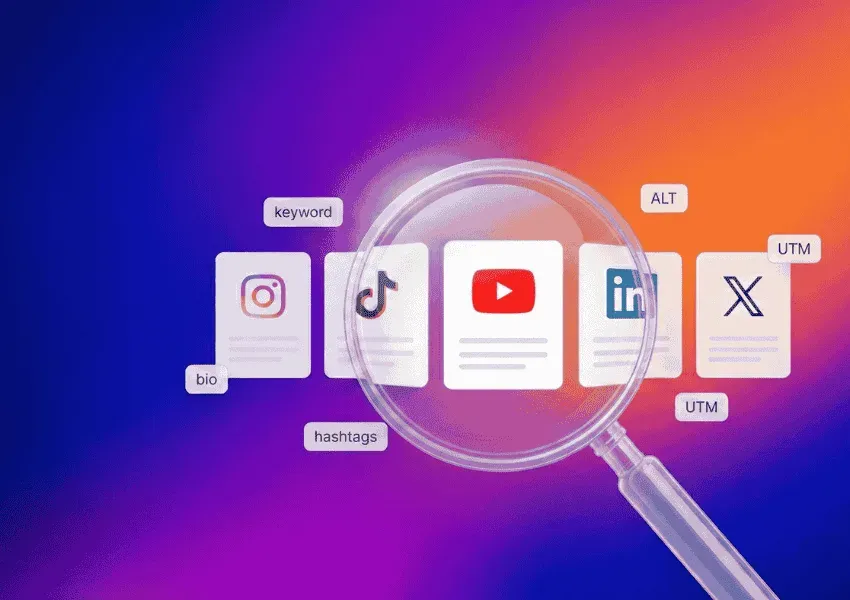
When we talk about social media SEO (or social SEO), we mean clearly explaining to each platform what our content is about so it shows us to more people. It’s like putting well-placed labels and signs on everything so that anyone searching for something like what we offer can find us without paying for ads.
Why does it matter? Because, in our experience, doing SEO on social platforms helps us show up organically in their internal search engines (Instagram, TikTok, YouTube, LinkedIn, X) and sometimes in Google as well. When we adjusted the profile name, bio and links, we saw more visits without spending on advertising. It’s a virtuous circle: people find us → they engage → the platform understands that we add value → it shows us more.
In short, we treat each platform like a small Google: if we make who we are, what we do and who we do it for clear, we grow sooner and with less effort.
Key steps to gain visibility
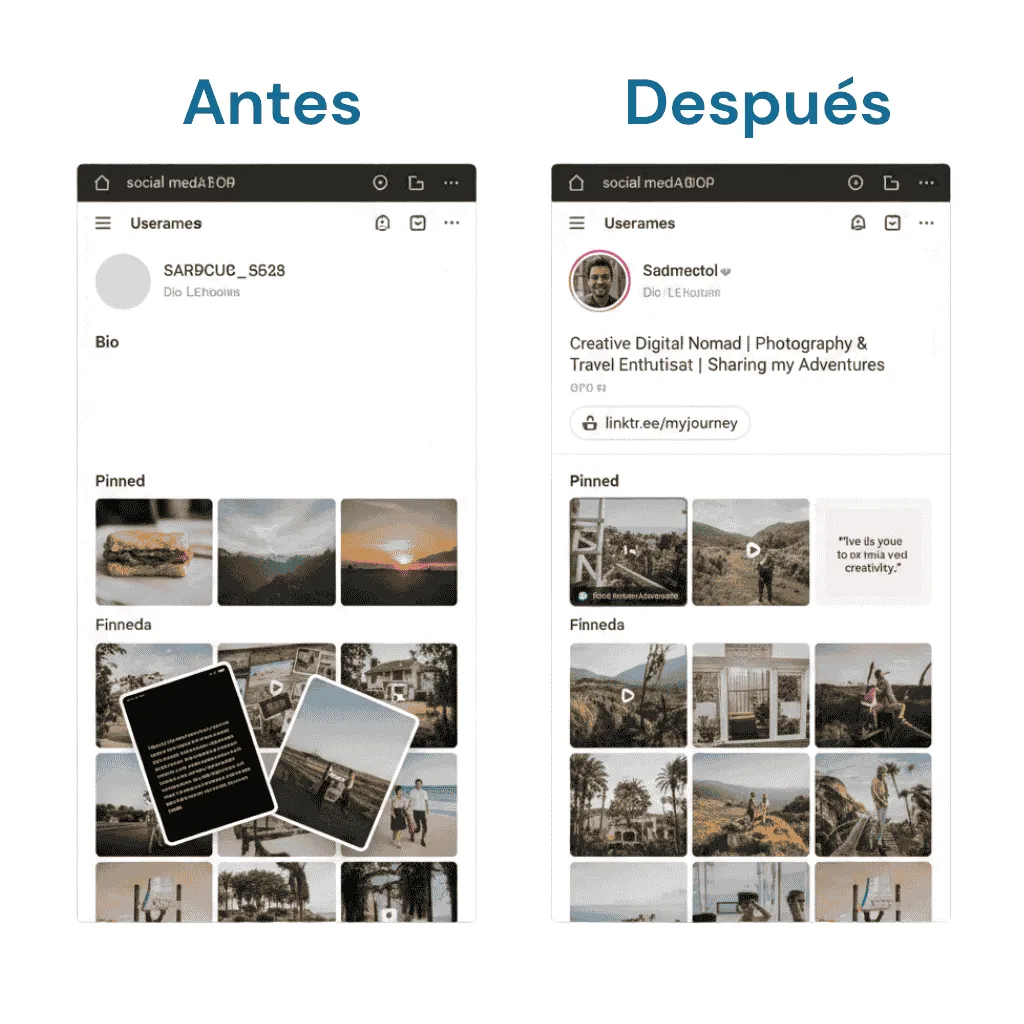
Optimize your profiles (name, bio, links)
The profile is our home inside each platform. It has to say everything quickly and directly.
Simple checklist
- Name and username: we add 1 main keyword. E.g., “Local SEO consulting”, “Easy vegan recipes”.
- Bio: in 2-3 lines we answer what we do, who we do it for and what result they get. We include synonyms and categories.
- Link: we use UTMs (utm_source, utm_medium, utm_campaign) to measure which post brings in visits.
- Highlights or pinned posts: we place our pillar pieces (guides, case studies, FAQs).
Useful keywords and hashtags
Keywords state the topic; hashtags help classify.
- We make a list of 10-20 main topics and 10-20 variations (how to, guide, ideas, for [audience], in [city], 2025…).
- We use the keywords in the script, in the on-screen text and in the description.
- With hashtags, fewer and relevant is better: 2-3 very specific ones, 1-2 category ones, 1 branded one, 1 local one if it applies.
When you move from generic hashtags to topic + intent combinations, you’ll see more discovery through search and less noise.
Formats that get discovered (Reels, Shorts, carousels)
- Reels / Shorts: perfect for reaching non-followers. Keys: a hook in 3 seconds, captions on and keywords in the on-screen text.
- Carousels (Instagram/LinkedIn): ideal for teaching. We put a title with the keyword on the first slide and variants in the copy.
- Live streams: less new reach, but they strengthen community and convert well.
When guides are turned into carousels with an SEO title and clear copy, saves and distribution go up.
Engagement and algorithm signals
Platforms look at signals to decide whether to show a piece of content more:
- Retention (watch/read time).
- Valuable interactions (meaningful comments, saves, shares).
- Satisfaction (people don’t hide it or unfollow).
How we boost it:
- We go topic by topic (not everything at once) to concentrate signals.
- We use useful CTAs (“which step are you missing?”) instead of empty questions.
- We post when our audience is online and re-edit the winners.
Pinning top content and relaunching it with a clearer hook helps give reach a push.
SEO by platform
Each platform has its own fields and formats, but the logic is the same: a clear topic + natural keywords + a good user experience. To keep things simple:
- What changes: where we put the keywords (name, bio, alt text, chapters…), the format that gets discovered most and each platform’s “rules.”
- What stays the same: topic clarity, consistency across 3-5 pillars and measuring with UTMs.
- Where to start: we optimize first the platform where we already have some traction and then replicate the method on the others.
Instagram and TikTok (search, alt text, hashtags)
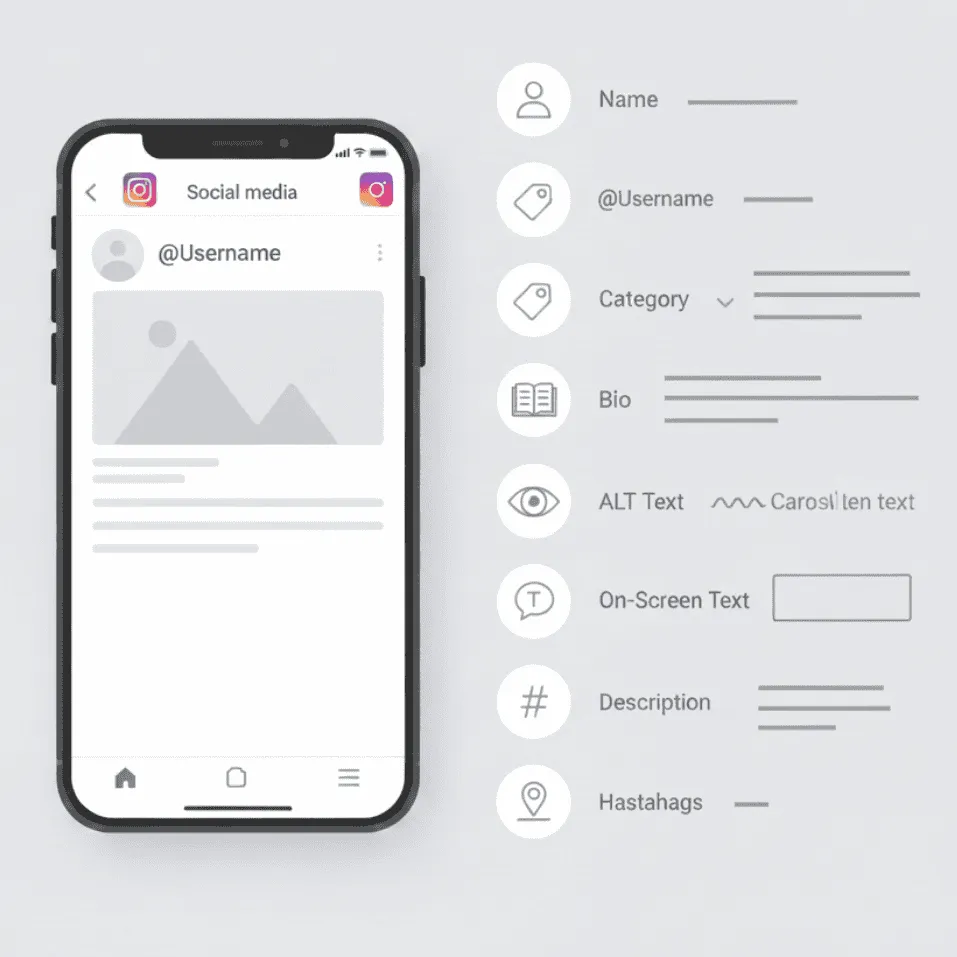
For Instagram, the important fields are: name, username, category, bio, image alt text, carousel text, Reels on-screen text, description, hashtags, location.
Best practices:
- 1 main keyword per piece + synonyms.
- Descriptive alt text (what’s shown and why it matters).
- Carousel covers with a clear title.
- 3-6 relevant hashtags.
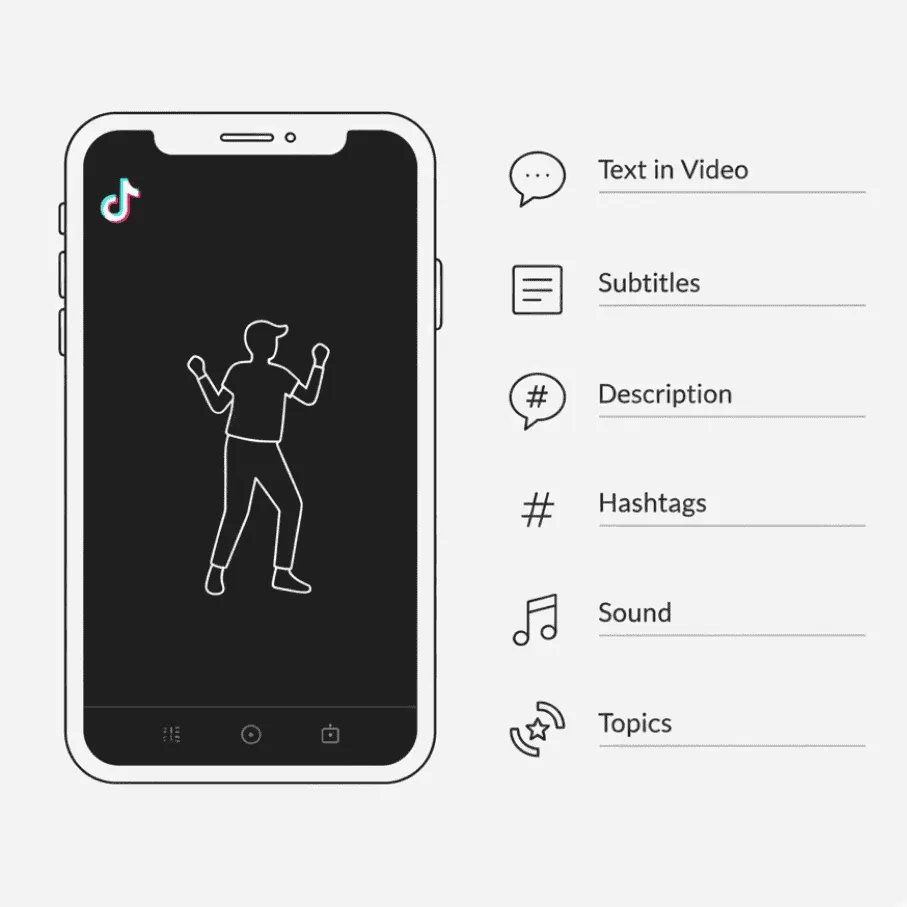
For TikTok, the important fields are: on-video text, captions, description, hashtags, sounds/trends, topics.
Best practices:
- A hook with a keyword at the start.
- Short but specific descriptions.
- 3-5 topical hashtags.
With these tweaks you’ll see more appearances in in-app search and more profile visits.
YouTube (titles, descriptions, chapters)
YouTube works like a search engine.
- Title: clear and intent-driven (how to, guide, tutorial, common mistakes…).
- Description: 2-3 paragraphs that expand on the idea + UTM links.
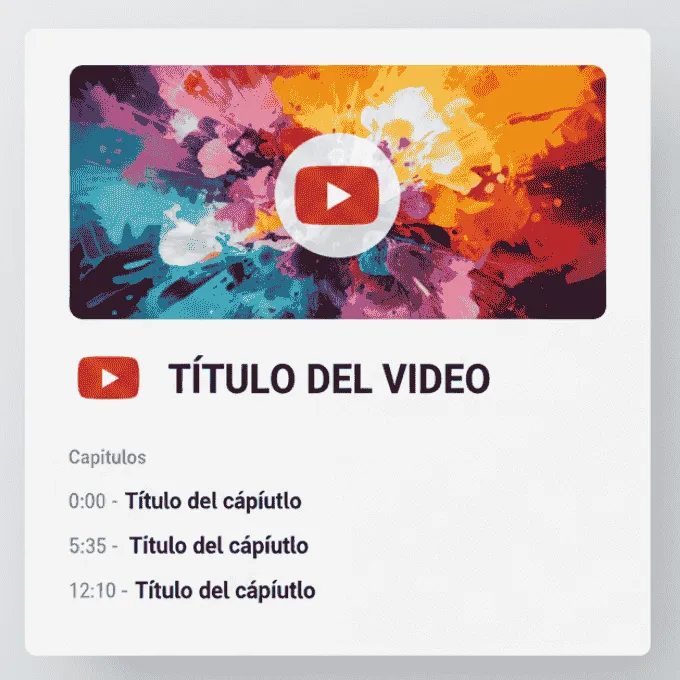
- Chapters: they add context and improve the experience. Each chapter gets a descriptive title.
- Thumbnail: a simple promise in few words.
By adding well-named chapters and opening lines focused on the query, you’ll gain search and suggested traffic.
LinkedIn and X (keywords in profiles and posts)
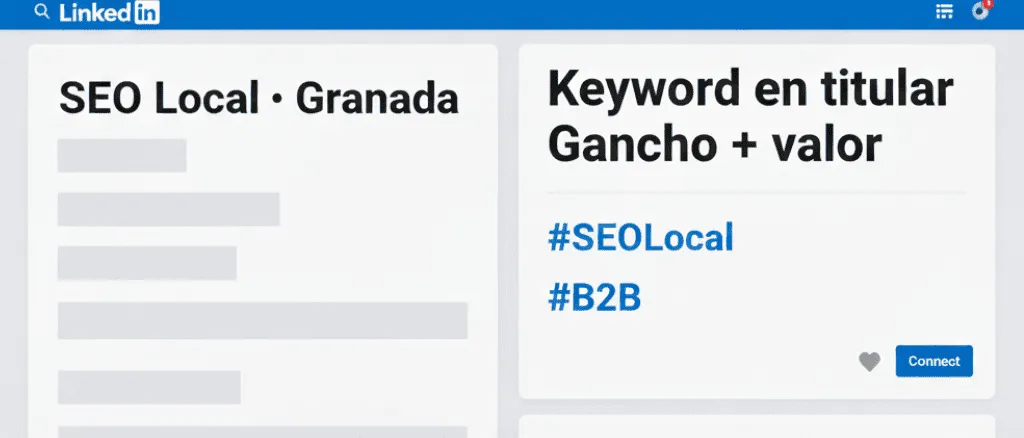
- Profile: headline with a keyword + value proposition; “About” section with the problems we solve, industries and cities.
- Posts: 3-5 lines of hook + the topic’s keywords. 2-3 specific hashtags.
X (Twitter)
- Profile: a direct bio with 1-2 keywords; link with UTM.
- Posts: keywords in the text, threads with a keyword title and quality conversation. We pin the best thread.
Rewriting the LinkedIn headline with the core keyword will help bring more profile visits and more in-app search discovery.
Connect your website and social platforms
In this part we need to connect what we publish on social platforms with what’s on the website. If the promise of the post and the landing page say the same thing, the user understands and clicks, and Google understands too. Bottom line: same idea, same keywords and aligned metadata.
Open Graph, schema, linking and UTMs
We want the website and social platforms to speak the same language.
- Open Graph / Twitter Cards: we define the title, description and image so that when a URL is shared, the snippet is clear and eye-catching.
- Schema.org: we mark up articles, products, events or guides so Google understands the content and platforms pick up the right metadata.
- Internal linking: from the website to our key social pages (and the other way around) to ease the user’s journey.
- UTMs on every link from social platforms to the website: source (instagram, tiktok…), medium (social), campaign (topic) and content (id/variant).
If we tag well with UTMs, we’ll see which post brings quality traffic and be able to repeat the winning format.
Measurement and experiments
Reach, website visits and brand searches
We measure what matters and test small improvements.
1) Discovery and distribution
- Reach to non-followers, impressions from in-app searches, retention.
- Saves, shares and useful comments.
2) Business contribution
- Clicks on the profile link and UTM sessions on the website.
- Conversions (leads, sales) and time on page.
3) Brand
- Brand searches in Google Search Console (“[brand]”, “[brand] + service”).
- Growth in qualified followers and mentions.
How we experiment
- We define a simple hypothesis: “if we put the keyword in the on-screen text, we’ll be found more through search.”
- We test two variants (title/cover/copy) over 7-14 days.
- We save what works in templates to repeat it.
Once we turned on UTMs and tagged by topic, we understood which pieces brought real visits and which stayed at impressions.
Conclusion
Social media SEO works when we do the basics very well: a clear profile, keywords where they belong, complete metadata and formats that get discovered. That’s how we show up in searches without paying and turn that reach into website visits and customers. We start simple, measure and improve at a steady pace.